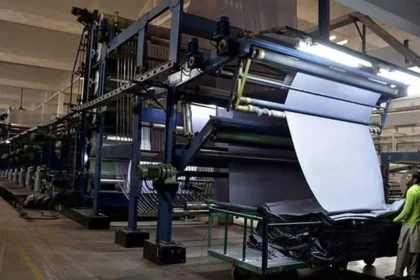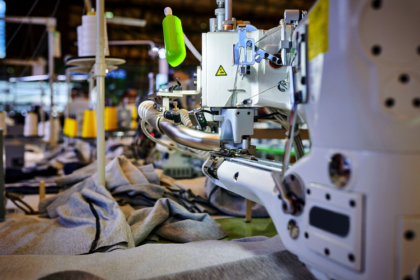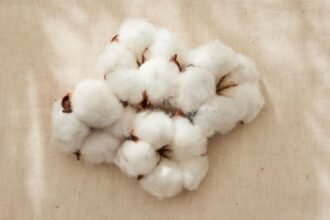

When I first started my manufacturing facility, I would walk into the hyper fast fashion stores where the price tag felt like a trick. In my head, I’d begin to do reverse costing, mentally adding up fabric, cutting, stitching, overheads, and a tiny margin to keep the factory running. Then I’d look at the sticker on the tag again and get perplexed. Usually, the retail price was only a little higher than what it cost me to make the garment itself. Sometimes it was even lower. This wasn’t a fluke. It was a symptom of an industrial system focusing on making things cheap and in the process, the real costs would get shifted somewhere out of sight.
Who pays for these insanely cheap prices? The answer is many of us, but not always there and then, when we get to the checkout counter.
Suppliers and factory workers end up dealing with immediate, visible costs. Brands find the lowest possible production prices and alter lead times and margins until suppliers are forced to cut corners or accept unsustainable payment terms. This results in chronic underpayment and unsafe or exhausted workforce. We are now seeing a growing number of protests against underpayment and unrealistic work environments, held by the textile workers in major global manufacturing hubs. Sadly, production models still reward speed and costs over sustainability. Even before the pandemic, the workforce getting livable wages in global apparel supply chains was the exception, not the rule, according to research. This reality was further highlighted by advocacy groups documenting persistent wage shortfalls.
Here, I would like to share my personal experience. We used to work for a similar fast fashion brand, who not only squeezed prices but also demanded discounts for ridiculous issues in every order. The consequence, we had to fire some of our workers to bring down our overheads, resulting in the remaining workers being exhausted from overwork. We soon saw that this model was not only unsustainable, it completely defied the values that we stood for.
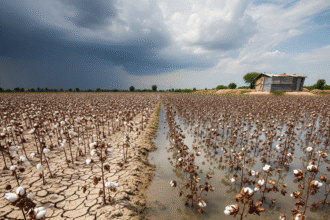
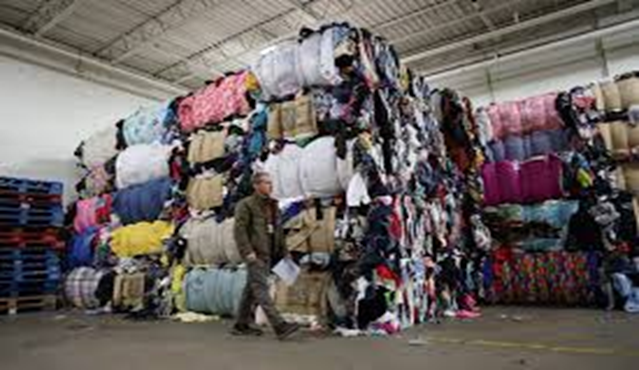
Environmental costs also come into play. Fast fashion has become a huge burden on the planet, as the industry causes roughly 10% of global carbon emissions, consumes 93 billion cubic meters of water per year and produces more than 90 million tons of textile waste annually. Each pair of jeans or a cheap shirt is part of this cycle of mass production, brief ownership and ultimately, its disposal. This pollutes rivers, releases microplastics and causes permanent damage to Earth and its ecosystem.
The good news is, people are now working towards attempting to create healthier and safer production methods. The Pakistani industry is a part of this, as its textile sector embraces cleaner, fairer and more responsible production. Many of us have seen how destructive cheap and fast manufacturing is and as a result, we, the Pakistani manufacturers, choose to do it better. This isn’t a short trend, it’s necessary for survival.
Today, many factories in Karachi, Lahore, Faisalabad and beyond run largely on renewable energy. Recycling water and using organic and recycled fabrics is quickly becoming a norm. Some places even integrate traceability tools, so that buyers can see every step from raw material to its packaging. This is not easy, since it takes courage to say no to unrealistic prices and still keep the workforce employed. But slowly and surely, this change is happening and it’s rewriting our manufacturing story.
Fast fashion isn’t going to just disappear, but there is hope in this change, where responsible production and profitability are being proven to coexist. Pakistani manufacturers are understanding that value doesn’t just come from volume, it consists of relationships, agility and craftsmanship that lasts.
And finally, no matter where and how the garment is made, the real cost of fast fashion will always end up with the consumer. A $5 shirt that falls apart after a couple of washes will end up being more expensive than a $40 garment that can last years. This cost per wear truth is something hardly anyone in the industry will talk about, because cheap clothes won’t just exploit the labor or the environment, they end up exploiting the consumer’s wallet too.
Fast fashion may seem like you’re saving money, but this is an illusion. Garments that can last are the ones with real, long-term value, for the producer, the environment and the one who wears them. Maybe that’s the future of textile manufacturing that Pakistan is on the path to, not somewhere with the cheapest clothes, but somewhere with clothes made ethically and sustainably.