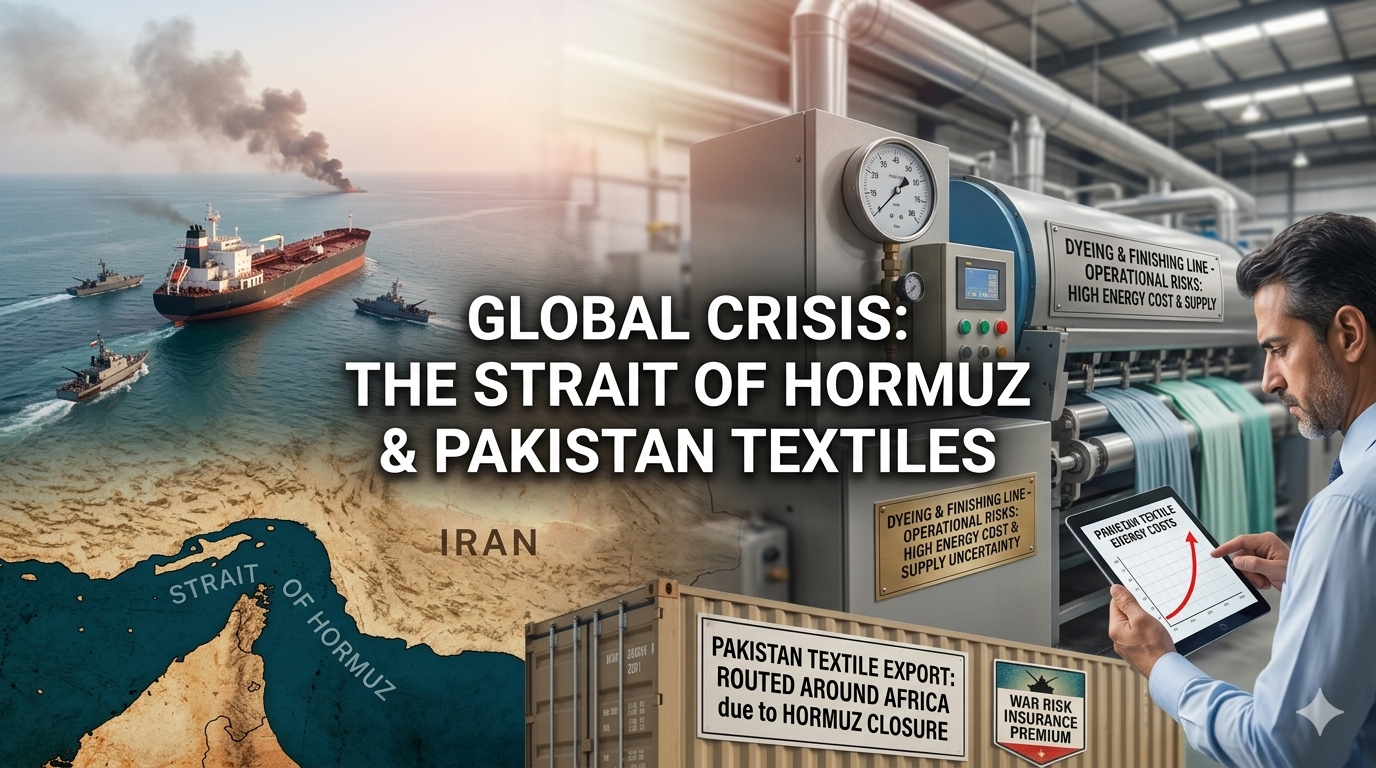

In late February 2026, military action involving the United States and Israel against Iran sharply escalated into a wider conflict that has rapidly affected global energy markets and economic stability far beyond the Middle East. The situation is not static. New developments are unfolding daily. But already the consequences are clear. Oil supply routes have been disrupted, prices have jumped and countries that depend on imported energy are facing mounting pressure.
The Strategic Crisis: The Strait of Hormuz
Over the past week, crude oil markets have reacted violently to the fighting, largely because of the strategic importance of the Strait of Hormuz. This narrow waterway, located between Iran and Oman, is one of the most critical channels for crude oil and liquefied natural gas. Before the conflict, almost one fifth of the world’s oil passed through it. Reports now suggest tanker movements are severely limited, with many insurers refusing coverage and ships diverting around longer routes.
As a direct result, global crude prices have risen sharply. Brent crude, a key international reference price, briefly crossed above $90 per barrel, levels not seen in years. U.S. crude futures climbed more than 12% in a single session as traders priced in the risk of ongoing disruption.
The Immediate Economic Shock in Pakistan
These shifts in energy markets have had immediate effects in Pakistan. The government raised retail fuel prices by about 20%, hiking petrol and diesel prices substantially within a short period. This decision was explicitly linked to higher international oil costs and uncertainty around imports through the Gulf.
Fuel price inflation isn’t just a matter of higher costs at the pump for private motorists. For Pakistan’s industrial base, which depends heavily on imported petroleum and gas, these increases represent a direct economic shock.
Why Pakistan Is Highly Vulnerable
Pakistan’s energy import structure is critically dependent on the Middle East. Much of its crude and liquefied natural gas comes via the Gulf and the Strait of Hormuz. Analysts estimate that roughly 80% of Pakistan’s crude oil supply is routed through this corridor.
For the average Pakistani business, this kind of dependence means that geopolitical violence thousands of miles away quickly translates into higher input costs at home. There are several channels through which this impact hits Pakistan’s economy:
- Higher import costs: Every increase in crude prices immediately increases the cost of imported petroleum products and energy. This adds pressure on the current account and balance of payments.
- Inflationary pressure: Higher fuel costs cascade through the economy, pushing up the cost of electricity generation and transportation, which then feeds into consumer prices.
- Manufacturing disruption: Gas supply cuts for some industrial consumers have already been reported, a sign of stress in the energy delivery system.
- Market volatility: Pakistan’s stock market experienced significant declines recently, amid investor fears of prolonged oil supply issues and broader economic instability.
Effects on the Textile Sector Among Pakistan’s industries, the textile and apparel sector is the largest exporter and one of the most energy intensive. It accounts for over 60% of merchandise exports and roughly 8% to 9% of GDP.
Textile manufacturing is not just about spinning and weaving cloth. It relies on continuous supply of energy, both electricity and fuel, for dyeing, finishing, steam generation, drying and other processes that require consistent heat and power. Many factories also use RLNG (re-gasified liquefied natural gas) as a core industrial fuel. Disruptions or shortages in gas supply force mills to switch to more expensive alternatives or slow production, both of which add significant cost pressure.
“The Pakistan Textile Council has warned the government that ongoing instability in the Gulf poses a serious risk to energy security and export supply chains.”
The combination of higher fuel costs, rising freight charges and elevated insurance premiums for shipping through or around the Gulf is squeezing margins at an industry already struggling with weak global demand and existing cost challenges.
The Global Competitive Edge at Risk
Textile exporters are already reporting expectations of lower shipments if disruptions in global shipping persist.
- Freight Costs: Increased as global shipping reroutes around the Suez and Horn of Africa.
- Insurance: Higher war risk premiums are adding hundreds of dollars to the cost of transporting each container.
- Cancellations: This may result in some firms delaying or canceling orders they cannot fulfil economically.
These dynamics matter because Pakistan competes for market share with countries like Bangladesh, India and Vietnam, each of which faces similar pressures. But Pakistan’s vulnerability is amplified by its higher energy import dependence and thinner foreign exchange reserves.
Broader Economic Concerns
Beyond direct fuel costs, there are wider implications for Pakistan’s economy. Higher import bills exacerbate the country’s already fragile balance of payments and inflation could erode household purchasing power. Prolonged conflict would also strain remittance inflows, another pillar of Pakistan’s external financing.
For policymakers and business leaders alike, the central challenge is navigating an international conflict that Pakistan cannot influence but must nonetheless absorb economically. Measures such as fuel conservation policies and contingency planning for energy supplies are being discussed at government levels.
What Happens Next?
No one can predict exactly how long the conflict will last. But if the closure or disruption of key shipping routes continues, energy markets may remain volatile. Some analysts warn prices could climb further, possibly into levels not seen since previous global recession.
For Pakistan’s textile industry, the outlook in the short term is challenging. The next few months will test how well businesses can adapt to higher energy costs, tighter supply chains and more expensive logistics. Government policy responses, global market stabilization and the duration of the conflict will all play a role in shaping the sector’s resilience.