
For decades, Pakistan’s identity as a textile nation has been rooted in cotton. From the cotton fields of Punjab to the ginning factories of Sindh, the fiber has shaped livelihoods, exports, and even fashion. Yet, beneath the surface of this monoculture lies an uneasy truth: cotton is thirsty, resource-intensive, and increasingly vulnerable to erratic weather patterns.
As the world rethinks the environmental cost of fiber production, an alternative quietly emerges on the horizon: hemp — a natural fiber that could complement, and even revolutionize,Pakistan’s textile futureDieter Rams
The Case for Hemp: Resilience Meets Sustainability
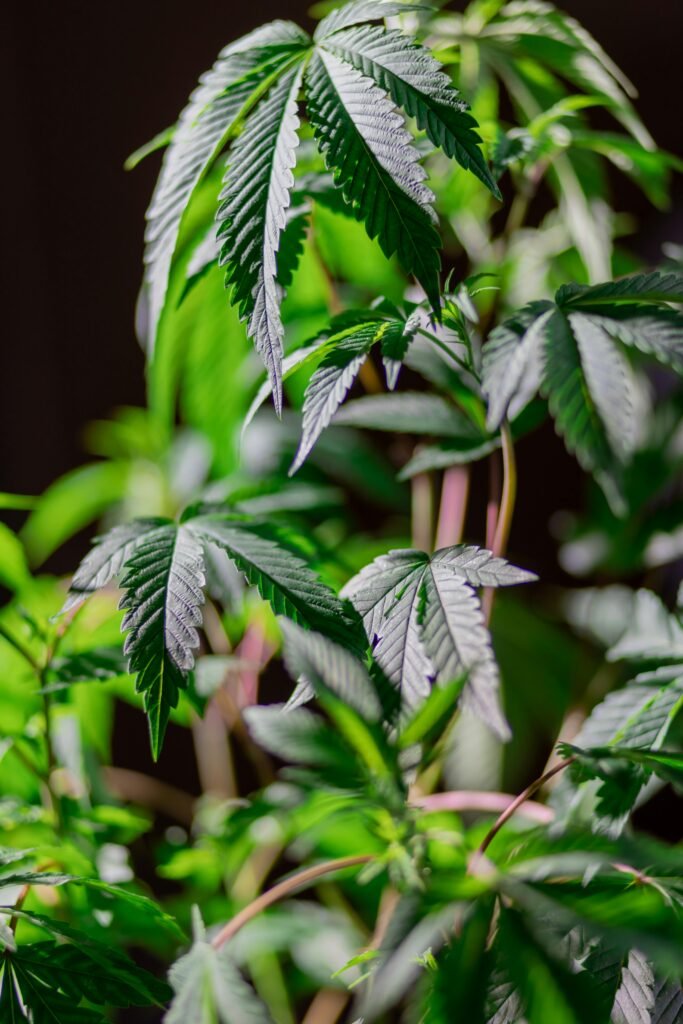
Hemp (Cannabis sativa L.) is not a new plant. Historically cultivated across South Asia for rope, clothing, and even food, hemp has long been known for its resilient, fast-growing, and low-maintenance properties.
Here’s what makes it promising:
- Low Water Requirement: Hemp uses 50% less water than cotton to grow.
- No Need for Pesticides: It is naturally resistant to most pests.
- Regenerates Soil: Hemp roots restore soil structure and prevent erosion.
- Higher Yield: One acre of hemp can yield 2–3x more fiber than cotton.
In a country like Pakistan — where water scarcity threatens agriculture and climate extremes are increasing — hemp presents itself not as a replacement, but as a smart companion crop to cotton.
Cotton’s Crisis in Pakistan
Pakistan’s cotton crop has suffered significant setbacks in the past decade:
- Cotton production fell from 14 million bales in 2014 to below 6 million in recent years.
- Monsoon irregularities and pest infestations (especially pink bollworm) have hit hard.
- Rising input costs and lack of modern seed varieties have discouraged farmers.
These gaps create both urgency and opportunity: to explore alternative fibers that support farmers, protect the environment, and feed the textile industry.
Hemp and the Textile Supply Chain: A Value Chain Waiting to Be Built
Despite its benefits, industrial hemp remains largely absent from Pakistan’s textile ecosystem. Why?
- Regulatory confusion: Hemp is often conflated with marijuana (despite having <0.3% THC).
- Lack of seed infrastructure: Pakistan has not yet developed certified, high-yield hemp seed varieties.
- Missing machinery: Existing ginning and spinning setups are optimized for cotton, not hemp stalks.
- Market hesitation: Brands and mills remain unaware or skeptical of hemp fiber’s commercial viability.
However, the tide is turning. In 2020, Pakistan’s federal government legalized industrial hemp cultivation for medical and industrial use — a first step toward creating an official framework.
Global Momentum, Local Opportunity
Internationally, hemp is gaining traction:
- China leads the world in hemp cultivation and textile-grade fiber.
- European brands like Stella McCartney and Patagonia are investing in hemp-based fashion.
- India, Pakistan’s neighbor, is experimenting with hemp textiles in Uttarakhand and Himachal Pradesh.
If Pakistan builds a hemp-textile pipeline now, it could:
- Tap into the global $18 billion hemp market (projected to grow to $60 billion by 2030).
- Reduce reliance on cotton imports and pesticide-heavy farming.
- Provide new income streams to smallholder farmers in rain-fed regions.
What Needs to Happen Now
To unlock hemp’s potential, Pakistan needs:
- Clear regulatory pathways for cultivation, processing, and trade.
- Research investment in hemp agronomy and seed development.
- Public-private partnerships to pilot hemp-cotton blended fabrics.
- Awareness campaigns to reframe hemp as an eco-textile solution, not a narcotic risk.
Cotton + Hemp: A Future-Forward Blend
Hemp doesn’t have to replace cotton — it can complement it. Cotton-hemp blends combine softness with strength, comfort with durability. For Pakistani mills and designers aiming to enter sustainable fashion markets, this fiber fusion could be the next frontier.
As global consumers demand transparency and ecological responsibility, Farm Fabric Fashion believes the question isn’t “Why hemp?”, but “Why not now?”
Editor’s Note:
We invite agricultural researchers, fiber technologists, and sustainable fashion entrepreneurs in Pakistan to contribute ideas, insights, or data to deepen this conversation. Contact us at editor@farmfabricfashion.com.