
Compliance Without Capital
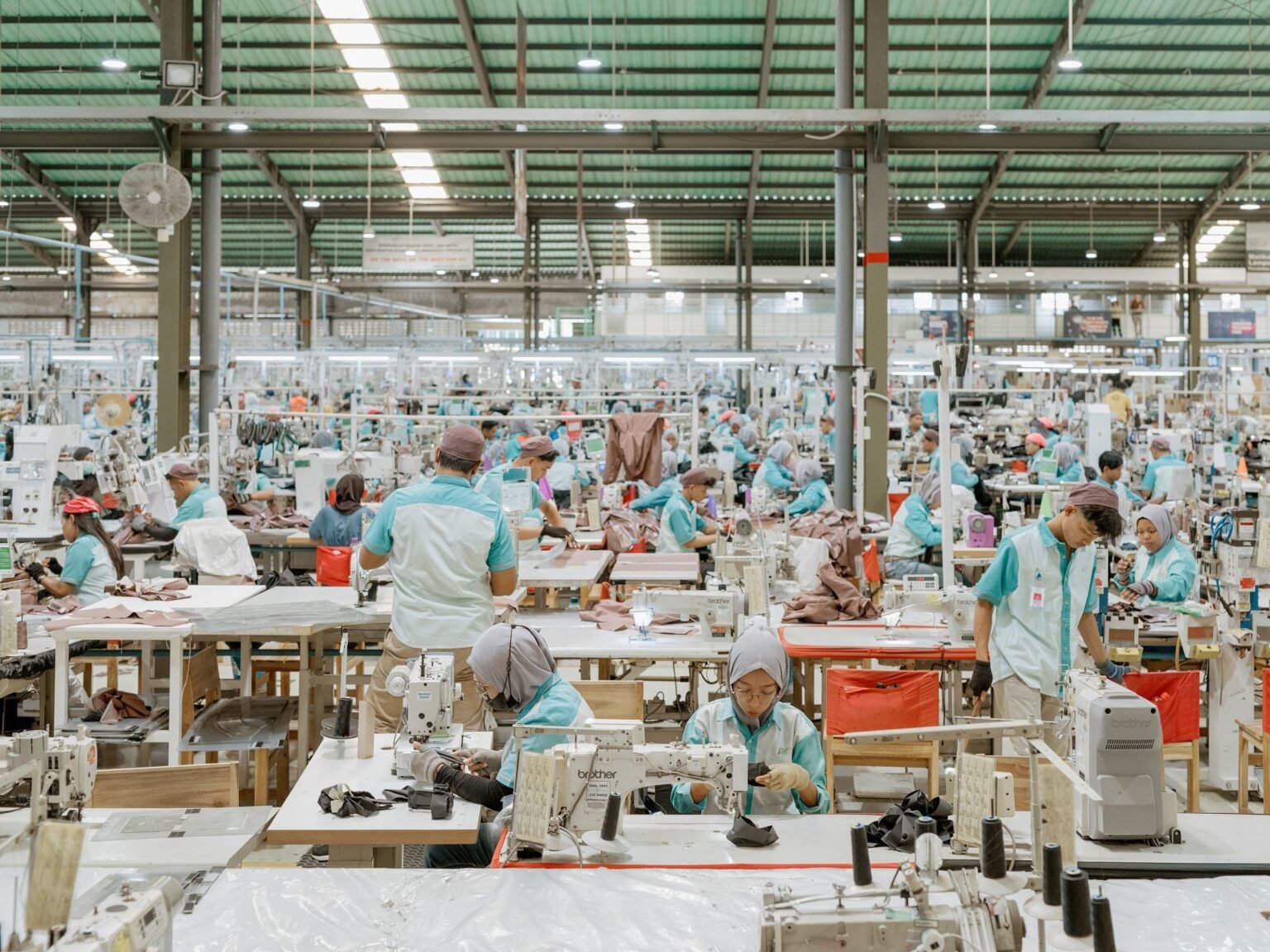
I run an SME garment factory and we work mainly with brands and companies based in the EU. For the past three or four years, we have seen the buyer conversations shift from only talking about the products and their designs to now also asking about our compliance standing. Even most smaller brands now ask for compliance certificates and the bigger ones have their own audits which a factory must pass before they are included in the brand’s supply chain. These are fair requirements, I agree, but why does almost nobody ask how a factory our size is supposed to pay for all of it before the order even lands?
It is demotivating to see that no one discusses this at the buyer’s end and we, as suppliers have only recently started this debate. The problem isn’t compliance. It is how we, as suppliers are pushed into it. Buyers want proof that a factory is safe, fair and sustainable before they commit volume. But building that proof takes capital that actually comes from having volume in the first place. A large vertically integrated exporter can absorb that gap. An SME doesn’t have the liquidity to fund compliance, which means it has to fund compliance out of the margin on the orders it already has and hope the next buyer values it enough to send more.
“Whatever a factory shows on an audit report, somebody on the factory floor found the money for it first, usually by cutting into a year they can’t get back.”
I’m an example of this process. I’ve watched this happening in our own factory over the years. We are building HR systems from scratch, a grievance mechanism put in properly, solar capacity added because we needed to curtail our energy costs. None of it came from a grant or a buyer’s development fund. It came out of our minute operating margin, the same margin that’s supposed to cover payroll and fabric and shipping delays. This is simply what SME compliance looks like everywhere in this sector. Whatever a factory shows on an audit report, somebody on the factory floor found the money for it first, usually by cutting into a year they can’t get back.
But, for a moment, I also want to look at the other side. Buyers requiring these standards are, more and more, operating under their own due diligence laws back home. Germany’s supply chain law and now the EU’s Corporate Sustainability Due Diligence Directive is making its way through implementation in real time. Those laws don’t put legal obligations directly on SME suppliers. But the CSDDD text itself says large companies should support SME partners with capacity building, training or financing when meeting a code of conduct would otherwise threaten that supplier’s viability. That part is already there in the directive. What doesn’t happen though, in most supplier relationships I know of, is anyone actually offering it. The audit requirement travels down the supply chain but the financing part doesn’t.
The audit requirement travels down the supply chain but the financing part doesn’t. If a buyer wants a factory to meet compliance requirements that costs real money, the buyer has to be part of financing the climb.
This is something we need to openly talk about and it isn’t complicated even if it’s hard to execute. If a buyer wants a factory to meet compliance requirements that costs real money, the buyer has to be part of financing the climb, even if it is only through longer term contracts that make the investment worth making or through direct co-investment in the specific upgrade being asked for. Right now, the entire cost of being a compliant supplier to meet the EU’s directives sits on the supplier’s end and the entire benefit of that sits on the buyer’s.
I’m not saying that us, SMEs shouldn’t be held to these standards. We should be, and most of us are ready to take the plunge because, honestly, a factory that treats its workers and its environment properly is simply a better run factory. But if the whole industry, buyers included, has decided that compliance is now the price of doing business, then financing that compliance can’t be treated as the supplier’s problem alone. SMEs have been absorbing that cost for years without anyone upstream noticing how much of it there actually is.
It gets paid for eventually, one way or another. The only real question is who gets to carry out this burden… the factory that’s already stretched thin, or the buyer who needs these requirements for their own survival.
Published for Farm Fabric Fashion | Global Supply Chain & ESG Perspectives