
Cotton vs. Synthetics – A Case for Pakistan’s Manufacturing Future
Pakistan’s textile industry is under distress and it’s no secret that we are behind even newer manufacturing hubs like Vietnam. We discuss this so often in meetings, forums, and industry events, where I repeatedly hear calls for our sector to diversify into man-made synthetic fibers (MMF).
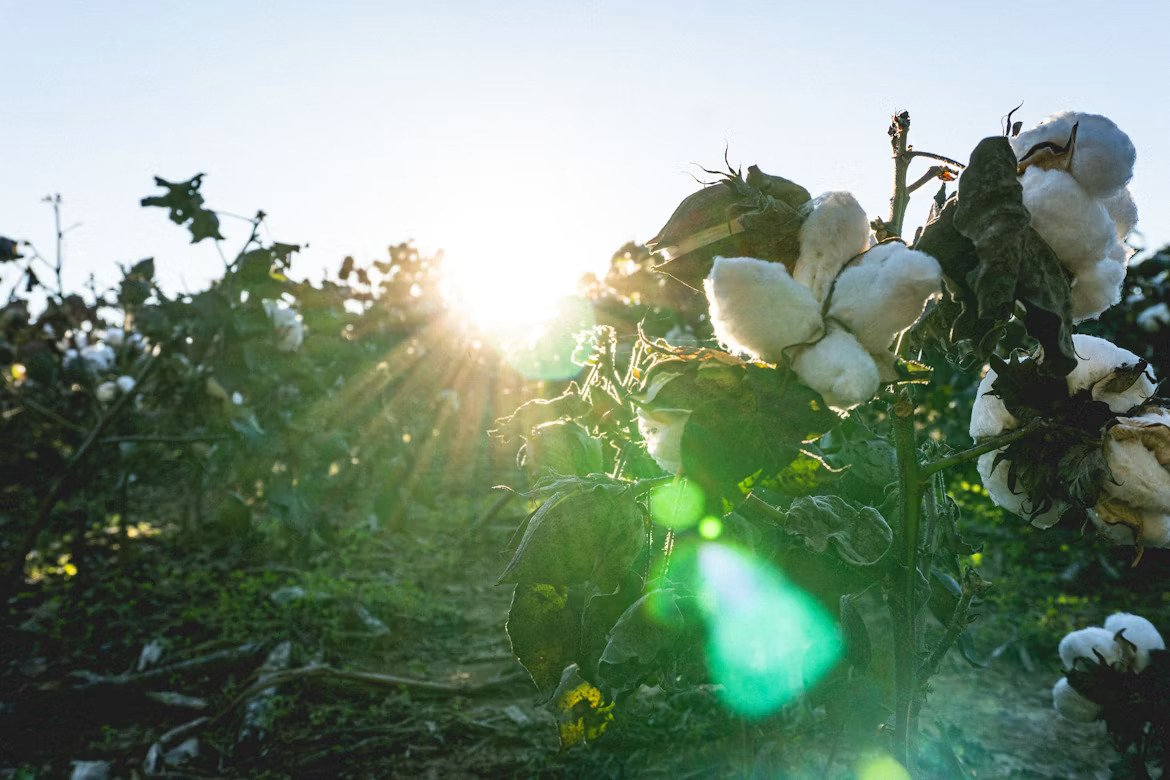
We are mainly a cotton-centric country—our “white gold,” as we call it. Three generations of farmers along the Indus and three generations of mills spinning locally grown cotton into global garments make cotton part of our national heritage. So when we deliberate whether Pakistan should pivot toward man-made fibers the way global markets have, it isn’t a simple discussion. It’s a question of what we are actually being asked to give up and whether we can afford to.
The Fiber Chemistry: Breathability & Biodegradability
Cotton is alive. It breathes, absorbs moisture, feels comfortable on sensitive skin, and is perfectly suited for hot climates—advantages that synthetics simply cannot boast. It comes down to fiber chemistry: cotton’s cellulose structure bonds with water molecules in a way polyester’s petroleum-based structure never can. That is why a cotton shirt in summer still beats a polyester one, regardless of how “technical” the synthetic claims to be.
Then there is biodegradability—what happens after a garment’s lifecycle ends. Cotton biodegrades. Laboratory studies comparing fiber breakdown in wastewater, freshwater, and marine environments show that natural cellulosic fibers degrade significantly over time, whereas polyester microfibers show virtually no degradation and persist for decades. Every wash of a polyester garment sheds plastic microfibers into marine ecosystems, with synthetics estimated to contribute roughly one-third of all primary microplastic ocean pollution.
The Environmental Bill of “White Gold”
However, cotton comes with a severe environmental cost, and we must not tell only half the story. Conventional cotton is an exceptionally thirsty crop. Cultivating enough cotton for a single T-shirt can require anywhere between 2,500 and 10,000 liters of water depending on the region and farming method—a steep price for a country already suffering from acute water stress.
Furthermore, conventional cotton farming relies heavily on chemical pesticides and fertilizers that degrade surrounding soil and water tables. Even as initiatives like Organic and the Better Cotton Initiative (BCI) work to lower these inputs, cotton is not the purely innocent natural choice it is often romanticized to be. Pakistan’s cotton belt has been paying this ecological price for decades.
Synthetics: Engineering Versatility vs. Permanent Footprint
In this light, man-made fibers are not simply the villain of the story. Polyester’s water footprint is a tiny fraction of cotton’s—roughly 30 liters per kilogram compared to cotton’s thousands. It requires no arable farmland, involves no seasonal harvest subject to monsoon flooding or pink bollworm, and eliminates dependency on a domestic crop that has been in sharp decline.
At an engineering level, synthetics offer unmatched versatility. They dominate activewear, technical textiles, automotive interiors, and medical supplies because they deliver properties cotton never can: moisture-wicking, extreme durability, and abrasion resistance that allows a garment to survive years of heavy use rather than a handful of wash cycles.
“Durability is both the hero and the villain. A polyester garment that does not biodegrade for two hundred years isn’t durability—it is permanence in a landfill destroying our environment.”
| Metric / Feature | Natural Cotton | Synthetic Polyester (MMF) |
|---|---|---|
| Water Consumption | High (~2,500 – 10,000 L / shirt) | Minimal (~30 L / kg) |
| Land & Harvest Reliance | Heavy (Arable land, monsoon, pest risks) | None (Factory manufactured) |
| Core Strengths | Breathability, moisture absorption, skin comfort | Moisture-wicking, extreme durability, elasticity |
| End-of-Life Environmental Impact | Fully Biodegradable | Microplastic pollution & 200+ yrs in landfills |
The Local Reality: An “Orphan Crop” and Missing Supply Chains
The global textile trade has shifted decisively toward man-made fibers over the last two decades. Synthetics now account for roughly ten times the volume of cotton in global fiber consumption, moving cotton from the industry default to a premium niche material.
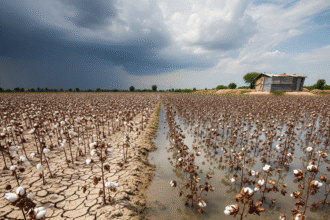
Concurrently, Pakistan’s domestic cotton crop has plummeted from roughly 15 million bales a decade ago to under 5 million in recent seasons due to flooding, pest pressure, poor seed quality, and policy neglect—a situation one former APTMA official described as treating cotton like an “orphan crop.” As a result, domestic mills are forced to import nearly half of their raw cotton requirements just to satisfy international buyer specifications for fiber length and strength.
The Illusion of an Easy Pivot to Synthetics
Pivoting to synthetics like China or India isn’t plug-and-play. Pakistan lacks an upstream petrochemical base—there is no naphtha cracker complex to manufacture synthetic fiber at scale locally. Abandoning cotton for synthetics means swapping reliance on our own troubled agricultural fields for reliance on imported petrochemical supply chains, creating a new structural vulnerability rather than solving the old one.
The Strategic Roadmap: Quality & Blends Over Nostalgia
We cannot save cotton out of pure nostalgia, nor should we abandon it blindly just because global volume has shifted. We need a far more pragmatic approach:
- Compete on Quality, Not Volume: We have lost the volume race to synthetic dominance and collapsing domestic yields. Instead, Pakistan must own the high-value niche of premium, organic, and sustainably sourced cotton that markets value for its natural comfort and biodegradability.
- Pioneer Advanced Blends: Expand into hybrid blended fabrics—combining cotton’s natural comfort with recycled polyester or technical synthetics for performance and durability.
- Acknowledge Shifted Demand: Serve both markets strategically instead of pretending one single fiber can fulfill all global apparel needs.
“Our three-generation ‘white gold’ doesn’t need defensive romanticism, nor does it deserve to be abandoned. We must not let collective nostalgia make business decisions for us. Cotton cannot win on sheer volume anymore—and the sooner we adapt, the better off our next three generations of textiles will be.”
Reported for Farm Fabric Fashion | Covering the Future of the Textile Supply Chain