
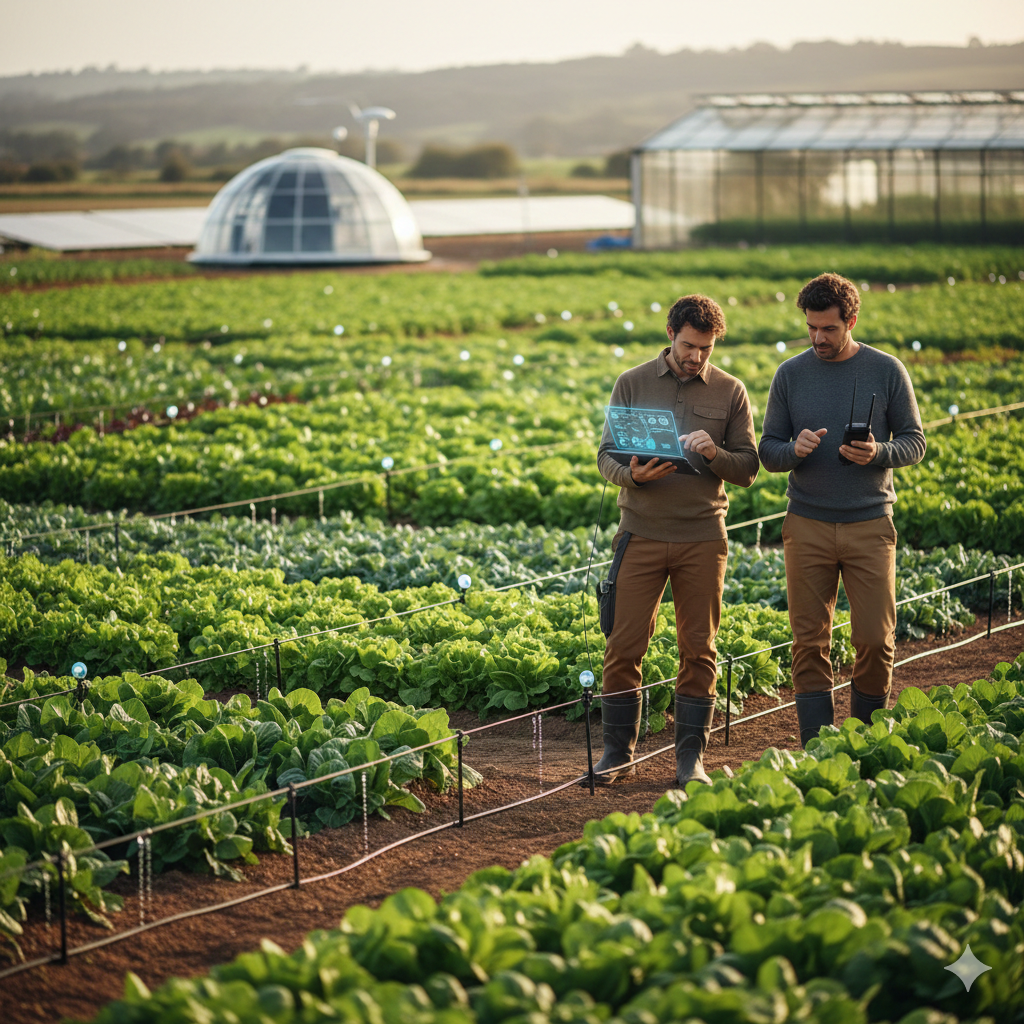

Climate change, water shortages, and rising farming costs have pushed farmers worldwide to adopt AI-powered smart irrigation systems. These systems are now trending because they help save up to 40–60% water, improve crop yield, and support sustainable farming practices—a major focus for governments, agri-tech startups, and eco-conscious brands.
Why Farmers Are Switching to AI Irrigation
Farmers across Asia, Europe, and North America are increasingly shifting to AI-based irrigation systems because of their ability to optimize water usage and reduce operational costs. These systems help farmers save a significant amount of water while improving crop yield and overall quality. By reducing electricity consumption and pumping costs, AI irrigation also makes farming more cost-efficient. At the same time, it supports environment-friendly practices and allows farmers to monitor their fields in real time through mobile applications. For small and medium-scale farmers, this technology is becoming more affordable and easier to adopt than ever before.
Impact on Sustainable Fashion & Fabric Industry
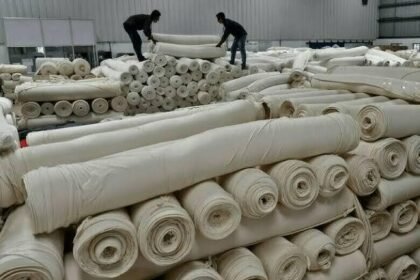
Sustainable farming plays a crucial role in the textile and fashion industry, particularly for natural fiber crops such as cotton, hemp, bamboo, and flax. AI-powered irrigation systems ensure that cotton and other fiber crops are grown using significantly less water, resulting in better-quality natural fibers. This approach lowers the overall carbon footprint of textile production and enables ethical, traceable sourcing. As a result, many sustainable fashion brands now prefer to work with suppliers who use smart farming technologies and follow climate-conscious agricultural practices.
Real-World Examples
In countries like India and Pakistan, smart drip irrigation systems are helping farmers grow cotton using far less water than traditional methods. Across Europe, AI irrigation is widely used in organic hemp and flax farming to improve efficiency and sustainability. In the United States, large-scale farms have integrated AI irrigation tools with satellite data and IoT devices to manage vast agricultural areas more effectively. To encourage adoption, governments in many regions are also offering subsidies and incentives for farmers who invest in smart irrigation technology.
Community & Future Impact
Community-based farming groups are increasingly adopting AI irrigation systems collectively, which helps reduce individual costs and allows farmers to share valuable data insights. Looking ahead, AI irrigation is expected to connect with carbon credit systems, fully integrate with climate-smart farming practices, and see wider adoption in developing countries. These advancements will further strengthen sustainable agriculture and support responsible production across the food and fashion industries.
Conclusion
AI smart irrigation is no longer a luxury; it is quickly becoming a necessity. As water scarcity continues to increase, this technology will play a vital role in protecting agriculture, supporting sustainable fashion, and empowering farming communities around the world.