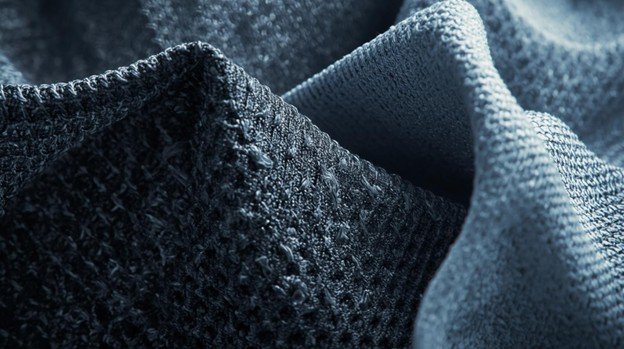

For the longest time, the Pakistani textile industry and its exports relied on basic wovens, knitwear and home textiles. But there is a subtle change happening in the country’s textile story. It is now, slowly but surely moving towards value added textiles like smart armor, engineered hospital gear, high performance fabrics for cars and materials that help feed crops more efficiently. That’s the world of technical textiles. Specialty fabrics designed more for function than beauty, these are really becoming one of the biggest growth opportunities in global manufacturing. It is true that most people still associate Pakistan’s textile sector with basics, technical textiles represent a leap into value added innovation that the world is increasingly moving towards and that could reshape Pakistan’s export landscape.
Globally, the technical textiles market is exploding, expected to reach into the hundreds of billions of dollars within the next decade as industries from healthcare to automotive and infrastructure invest in advanced materials that outperform ordinary fabrics. These are not just fabrics, they are solutions. Water resistant membranes that protect against harsh weather, breathable medical textiles that save lives, nanofiber filters that purify air and composites used in next generation vehicles. Innovation in this field is accelerating rapidly, with recent breakthroughs in smart textiles, eco composites and performance enhancing fabrics being unveiled across the world.
Pakistan stands at a crossroads. The country’s textile exports, the backbone of its manufacturing and foreign exchange earnings, are finally showing signs of recovery after a turbulent few years, with value added segments leading the rebound. At the same time, policymakers are recognizing that the old model which relies heavily on cotton and basic textiles, won’t be enough to compete in markets where synthetic and engineered products dominate demand. A newly drafted Textile and Apparel Policy proposes a strategic shift toward synthetic and blended fibers and explicitly highlights technical textiles as a priority growth frontier. This includes plans for national standards, research collaboration and dedicated textile parks on plug and play model, in cities like Sialkot and Multan to support innovation and scale production.
What makes this pivot so compelling is the breadth of technical textiles’ applications. In agriculture, smart covers and geotextiles can enhance soil moisture retention and protect crops. In healthcare, antimicrobial and sterile fabrics are essential for modern hospitals. In automotive and aerospace sectors, lightweight fabrics improve fuel efficiency and safety. And in construction, durable materials extend infrastructure lifespan. These are products that buyers are willing to pay a premium for because they solve real, measurable problems.
For the Pakistani textile industry, these advantages go beyond just export performance. Technical textiles offer higher value addition, meaning more jobs, better wages and more participation in global supply chains. Unlike commodity cotton yarns, these specialized products require technology, skilled labor and quality assurance, areas where investment creates capability that lasts. The country’s GSP+ status with the European Union also gives it a competitive edge, making it an attractive sourcing destination for semi processed and finished technical textile products.
Of course, there are challenges. Building local expertise, investing in advanced machinery and establishing robust testing and certification facilities are not overnight projects. Pakistan’s industry will need coordinated and extended efforts across public and private sectors, with emphasis on training, R&D and quality infrastructure. But the shift has begun. The future of textiles is not just in what we make, but what our materials do. And for Pakistan, embracing technical textiles could unlock a new chapter of innovation and export growth, where the country is no longer seen just as a producer of cotton goods, but as a creator of engineered solutions that the world increasingly depends on.