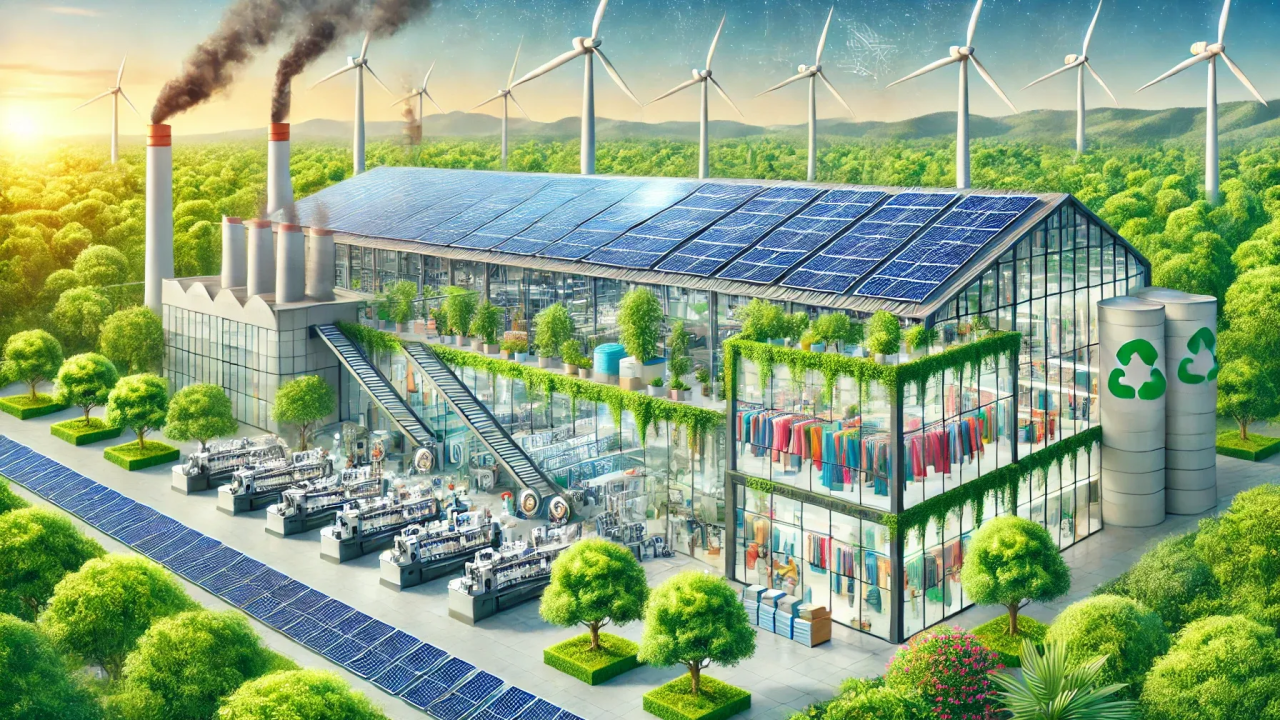

A couple of years ago, we decided to turn to solar power generation at our factory. We had had enough of the constant power cuts. Every few hours, the diesel generators would be fired up, which was not only putting a dent in our operational costs but the noise and the fumes that were produced were literally felt around us. As if that wasn’t enough, the surges from these improvised set-ups also caused the auto machine cards to short-circuit, which stopped production, added another high cost of repair and wore our patience thin. And with no other option left, we invested in putting up a solar energy system, a desperate attempt to get control over our production process, not a move towards sustainability.
Now, in 2025, with everything happening in the sustainability sphere, we’re realizing just how valuable our shift to solar power was. The global textile industry has been pushing green energy incessantly. Buyers from Europe, North America and even newer emerging markets, demand factories to take accountability for their carbon footprint. Our decision to install solar panels turned out not as a life saver against Karachi’s power cuts, it gave us a leg up on the journey towards sustainability in the global market.
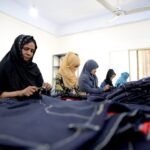
Textile industry is clearly the backbone of Pakistan’s economy. Roughly 8.5% of the national GDP comes from it, as well as employment for 40% of the workforce and its exports are almost 60% of total exports in the country. But for years, the manufacturers were stuck in a constant loop of unreliable grid energy and unsustainable power generation through diesel, furnace oil or gas generators, making it extremely expensive and hazardous for health. And then came another blow. Pakistan witnessed a sharp spike in energy costs over the past few years, squeezing profit margins, disrupting production schedules and forcing manufacturers to rethink how to keep their factories running efficiently, if at all.
This was a time the industry pivoted and solar power gained popularity. The numbers spoke for themselves. This shift resulted in quickly decreasing energy costs, stabilized production and extended lifespans of critical machinery. What began as a last resort became the catalyst to change operations all over the industry.
Between July 2024 and March 2025, the nation’s renewable energy capacity almost doubled, going from 2,867 MW to 5,680 MW. Some of this growth resulted from net-metering policies, but a greater part is due to industrial adoption of sustainable processes. Leading manufacturers like Gul Ahmed Textile Mills and Artistic Denim invested in multi-mega-watt solar plants, which greatly reduced fuel costs by millions and also aligned with global environmental initiatives.
However, energy isn’t the only resource under strain. The urban centers in Pakistan consistently face acute water shortages and textile production in itself requires gallons of water. Water is needed more in the dyeing and finishing processes, especially. In order to combat these shortages, many mills started a recycled water initiative, where industrial water is treated for reuse. Doing this reduced the water consumption by 40-50% and it also ensured that mills in areas which experience frequent droughts can maintain production.
Then came the gas crisis with natural gas supply to industries cut off three days a week, even though production required a steady, uninterrupted seven day flow. To counter this and keep the factories running, many mills have begun shifting toward more sustainable and self reliant alternatives. Several manufacturers are now turning to biogas, generated from organic waste such as crop residues or animal manure, to power boilers and dryers. Others are investing in biomass systems that utilize agricultural by products like cotton stalks, rice husk and corn cobs, resources abundantly available in the country. In Punjab, for instance, a few textile mills have successfully installed hybrid biomass boilers, significantly reducing their dependence on natural gas while lowering emissions. This transition again became a blessing in disguise, with not only stabilizing operations during gas outages but also aligning Pakistan’s manufacturing backbone with the global move toward renewable and circular energy solutions.
This surge of green energy in the textile industry isn’t just to economize, it also enables local producers to compete globally. Approximately 9% of Pakistan’s greenhouse gases come from textile production and the international market is increasingly demanding a shift towards more greener, sustainable and environment friendly manufacturing solutions. What began as a move to ease financial and operational pressure has now turned into a competitive edge for those who embraced renewable energy early on.
And so this green transition in Pakistan came about by accident. Most mills were forced to embrace green methods, instead of having strategically planned it. However, this trend is now gaining traction. Methods such as solar power, reusing wastewater, using biodegradable alternatives to gas and clean production processes are not only reducing the industry’s carbon footprint, they are also making the industry more attractive to suppliers who may not have been drawn to Pakistani suppliers otherwise.
Carbon neutral production processes are now asked for increasingly frequently by EU buyers. This is not just a passing trend, but a manufacturing lifestyle that the world is moving towards. And our mills are able to confidently show real energy savings, reduced emissions and responsible water management. This is all due to a decision originally made because of manufacturers having had enough of unreliable electricity and scarce resources.
An increasing number of mills across Pakistan are following suit and implementing green energy. PRGMEA, Pakistan’s leading garment association has now introduced a Carbon-Neutral Export Model, which encourages green manufacturing and makes Pakistani textiles more attractive to buyers globally. This change isn’t just for ethics, it helps the economy. Suppliers who can align with buyers’ sustainability goals are preferred, which means the usage of renewable energy and water recycling are methods of competition.
However, the move to green energy isn’t smooth. Capital cost for green infrastructure can end up being too much for small and medium-sized manufacturers, and technological opportunities can be hindered because of regulations. Yet, this accidental escalation of environmentally friendly methods of production has shown that innovation sometimes comes from necessity. Producers that once needed to halt production due to erratic supply of energy and scarcity of gas and water now have cheaper and more sustainable solutions
What was once a reaction to the unreliability of Pakistan’s energy, water and gas supply has become the thing giving its industry an upper hand in the rise of sustainable production. This shows that sustainability doesn’t have to be a part of a big, intricate plan. Sometimes the first step is enough.