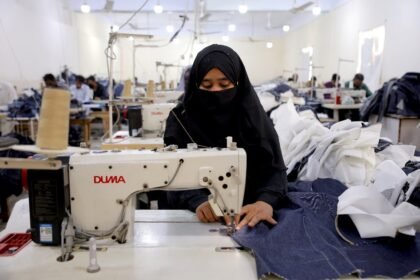


When you pick up a pair of premium jeans in an American retail store, there is a remarkably high chance its journey began in a Pakistani factory. The textile supply chain has evolved into one of the most powerful economic bridges between the United States and Pakistan, creating a deeply interconnected manufacturing ecosystem.
Key Industry Takeaways
- Export Powerhouse: Pakistan has averaged over $4 billion annually in finished apparel exports to the US over the past five years.
- Raw Material Synergy: Pakistan imports nearly $800 million in US cotton each year, making the US its second-largest cotton supplier.
- Denim Dominance: Pakistan remains one of the world’s leading producers of premium denim fabric and ready-made garments.
The Fabric of Bilateral Trade
Speaking at the recent ‘Arts Entrepreneurship Showcase’ in Islamabad, US Chargé d’Affaires (CDA) Natalie A. Baker highlighted the profound economic and cultural ties forged through the global textile sector.
“The textile industry is one of the most powerful linkages between our two countries… underscoring how deeply interconnected our textile supply chains are, from American fields to Pakistani factories to global markets.”
Iconic brands like Levi’s serve as a daily reminder of how woven this relationship is into the everyday lives of consumers in both nations.
Creative Entrepreneurship and The Freedom 250 Initiative
The textile business is not just about raw materials; it thrives on design and innovation. The showcase, hosted at the United States Educational Foundation in Pakistan (USEFP) and headlined by prominent fashion designer HSY alongside broadcaster Tauseeq Haider, celebrated the fusion of art and commerce.
This event is a cornerstone of the United States’ Freedom 250 initiative, marking the 250th anniversary of American independence. It featured a runway show visually narrating 250 years of textile innovation and an alumni marketplace highlighting local talent from the Pakistan-US Alumni Network (PUAN).
The Farm Fabric Fashion Perspective
For industry stakeholders, the data presents a clear roadmap. The synergy of importing high-quality US raw cotton and leveraging Pakistan’s advanced manufacturing capabilities creates a highly competitive edge in the global market. As creative industries and tech-driven textile manufacturing continue to merge, the blueprint for future growth lies in cross-border collaboration, sustainable sourcing, and bold design innovation.
Reported for Farm Fabric Fashion | Covering the Future of the Textile Supply Chain