
An Indirect War Hitting Our Textile Industry: Strait of Hormuz Disruption and Export Cost Volatility
How a geopolitical conflict 1,500 kilometers away triggered a maritime chokepoint collapse, a Rs. 55 domestic fuel spike, and a total breakdown of fixed freight costing for Pakistani garment manufacturers.
Executive Summary & Key Metrics
- Chokepoint Collapse: Traffic through the Strait of Hormuz dropped by over 90% at peak disruption following conflict escalations, crippling ~20% of global petroleum transit.
- Inland Logistics Shock: A Rs. 55/liter fuel price hike in Pakistan drove inland transportation freight costs up by 15% to 25% almost overnight.
- Obsolete Costing Models: Traditional 30-day fixed freight contracts have collapsed, leaving export manufacturers unable to quote stable pricing to international buyers.
- Macroeconomic Pressure: Expanding trade gaps (+25%) and crude prices exceeding $80/barrel heavily weigh on Pakistan’s foreign reserves and export competitiveness.
The 1,500-Kilometer Ripple Effect
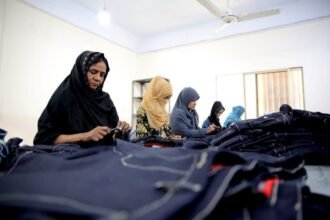
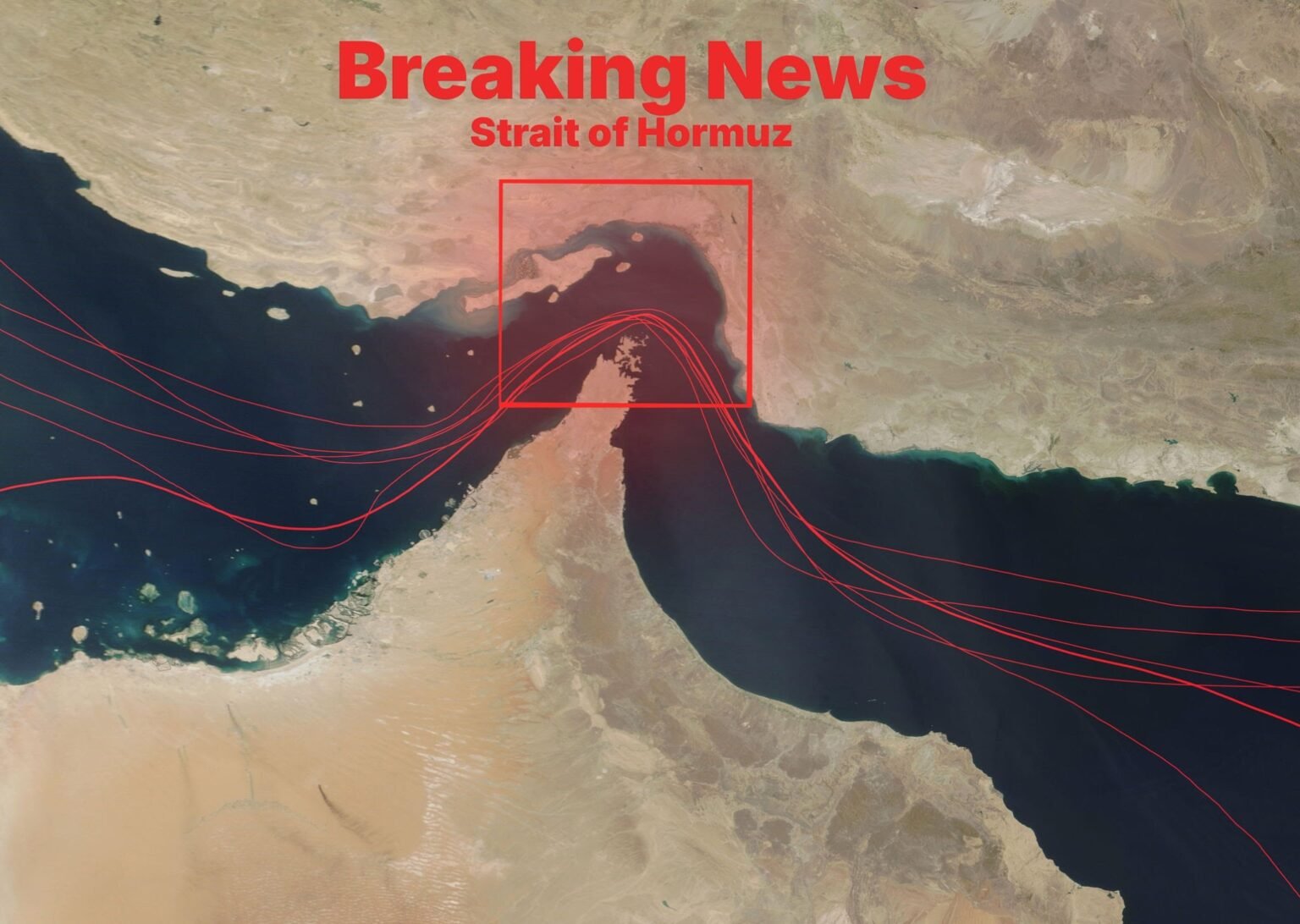
Since late February 2026, escalations involving the United States, Israel, and Iran have centered around one of the world’s most critical maritime chokepoints: the Strait of Hormuz. For a small apparel manufacturing unit operating in Pakistan, a war fought 1,500 kilometers away might initially seem geographically distant. Yet, the economic shockwaves have hit factory floors directly.
Before the disruption, roughly one-fifth of the world’s petroleum products passed through Hormuz. When maritime traffic plummeted by over 90% during peak closures, insurers withdrew coverage, forcing major global shipping lines to reroute vessels around both Hormuz and the Red Sea simultaneously. Two vital maritime shortcuts compromised at once created a systemic logistics backlog.
“How do you cost an export order against a freight rate that might move 20% before the goods even reach the port? Buyers thousands of miles away don’t care about a war we don’t control, but our cost sheets are moving beneath our feet every single week.”
Energy Vulnerability & Inland Freight Surges
While Pakistan’s primary finished garment export routes to Western markets avoided direct physical blockage in Hormuz, the country’s high reliance on imported energy through the corridor triggered immediate domestic fallout:
| Operational Pillar | Pre-Conflict Baseline | Post-Disruption Reality |
|---|---|---|
| Domestic Fuel Pricing | Stable baseline pricing | Sudden Rs. 55/liter hike in March |
| Inland Freight Rates | 30-day fixed contract agreements | 15% – 25% overnight surge; contracts obsolete |
| Regional Shipments (Middle East) | Standard direct transit schedules | Rerouted to Yanbu/Fujairah; 2+ month port delays |
| Raw Material Import Costs | Predictable input margins | Surcharges on imported dyes, machinery & diesel |
Macroeconomic Strain on the Value-Added Sector
This supply-chain crisis hit Pakistan at a fragile economic juncture—during an active $7 billion IMF program with foreign exchange reserves sitting near $16 billion. As global crude crossed $80 a barrel, Pakistan’s trade deficit widened by 25% in the first eight months of the fiscal year.
Industry leaders warned that a prolonged energy shock could cause a 10% to 20% contraction in value-added textile exports in a single month. Regional exports to Gulf nations ground to a near halt, with shipments sitting stranded at hub ports like Yanbu and Fujairah while carriers scrambled to navigate alterative maritime routes.
Structural Reform: From Reactive Risk to Strategic Cushion
Surviving this crisis requires shifting away from isolated factory-level guessing games toward industry-wide and diplomatic mechanisms:
- Dynamic Freight Contracts: Transitioning from obsolete 30-day fixed contracts to flexible, index-linked freight mechanisms supported by FPCCI that absorb weekly fuel adjustments transparently.
- Energy Contingency Planning: Establishing state-level fuel buffer protocols so export manufacturers aren’t blindsided by unannounced same-day price hikes.
- Leveraging Diplomatic Weight into Economic Safeguards: Converting Pakistan’s diplomatic mediation efforts into bilateral energy corridors, crude supply guarantees, and maritime transit protections for exporters.
Conclusion: Building Resilient Export Architecture
Wars eventually end, but the structural vulnerabilities they expose remain until addressed. Treating freight and energy as static fixed costs in an era of global volatility is no longer viable.
If Pakistan’s textile industry is to thrive rather than merely survive, both manufacturers and trade policymakers must implement long-overdue pricing frameworks, energy safeguards, and diplomatic trade protections.
Published for Farm Fabric Fashion | Global Supply Chain & Policy Watch