
Government Releases Rs 10 Billion Liquidity Boost for Pakistan’s Textile and Export Sectors
In a major fiscal move to ease liquidity pressures and spur international sales, the Ministry of Commerce has sanctioned Rs 10,000 million under duty drawback and technology modernization schemes.
Executive Summary
- Allocation: Rs 10 Billion sanctioned for textile, apparel, and allied export industries.
- Core Objective: Restore working capital liquidity and accelerate technology upgradation.
- Mechanism: Reimbursement of embedded local taxes via Duty Drawback (DLTL, DTRE) schemes.
Fresh Working Capital for Export-Oriented Units
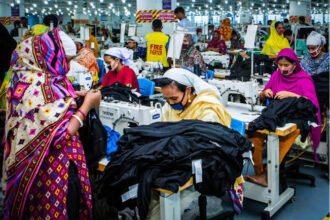
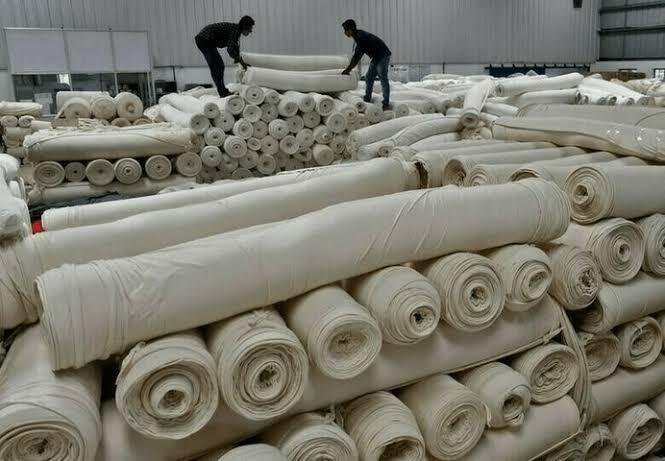
To address persistent cash-flow bottlenecks across the manufacturing landscape, Federal Minister for Commerce Jam Kamal Khan confirmed that the government has sanctioned Rs 10 billion (Rs 10,000 million) dedicated to supporting Pakistan’s export-oriented businesses, with a primary focus on the textile and apparel value chain.
“Pleased to share that the Ministry of Commerce has sanctioned Rs 10,000 million for textiles, apparel, and other export sectors under duty drawback and technology upgradation schemes. I hope this will improve the liquidity of industry and enable them to enhance exports.”
Driving Modernization and Global Competitiveness
Industry experts emphasize that this financial release arrives at a critical juncture. Beyond immediate operational relief, funding tied to technology upgradation schemes will allow textile manufacturers to upgrade aging machinery, integrate modern automation, and fulfill increasingly stringent sustainability standards demanded by Western buyers.
By lowering the operational cost burden, the initiative aims to enhance the price competitiveness of Pakistani goods against regional rivals like Vietnam and Bangladesh, paving the way for sustainable long-term export expansion.
Understanding Duty Drawbacks: Legitimate Refunds, Not Subsidies
A vital distinction highlighted by trade bodies is the nature of these disbursements. Programs such as the Duty and Tax Remission for Export (DTRE) and the Duty Drawback of Local Taxes and Levies (DLTL) are structured to reimburse manufacturers for domestic tariffs and taxes incurred during the production of export goods.
These payouts do not function as state subsidies or financial aid; rather, they represent the legitimate refund of capital already paid by exporters into government coffers.
FBR Export Facilitation Frameworks Covered:
Published for Farm Fabric Fashion | Industrial Policy & Trade Watch