
The All Pakistan Textile Mills Association (APTMA) has issued a stern warning to the Federal Board of Revenue (FBR) regarding the misuse of the Export Facilitation Scheme (EFS). These regulatory gaps are currently being exploited to bring in foreign cotton fabric under false pretenses, a move that is putting immense financial pressure on Pakistan’s own textile manufacturers.
The Loophole: Mislabeling and Tax Evasion
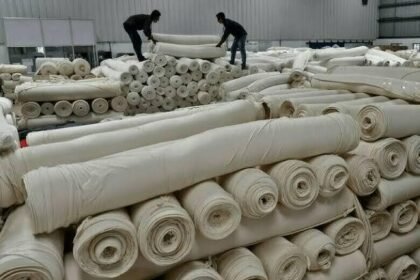
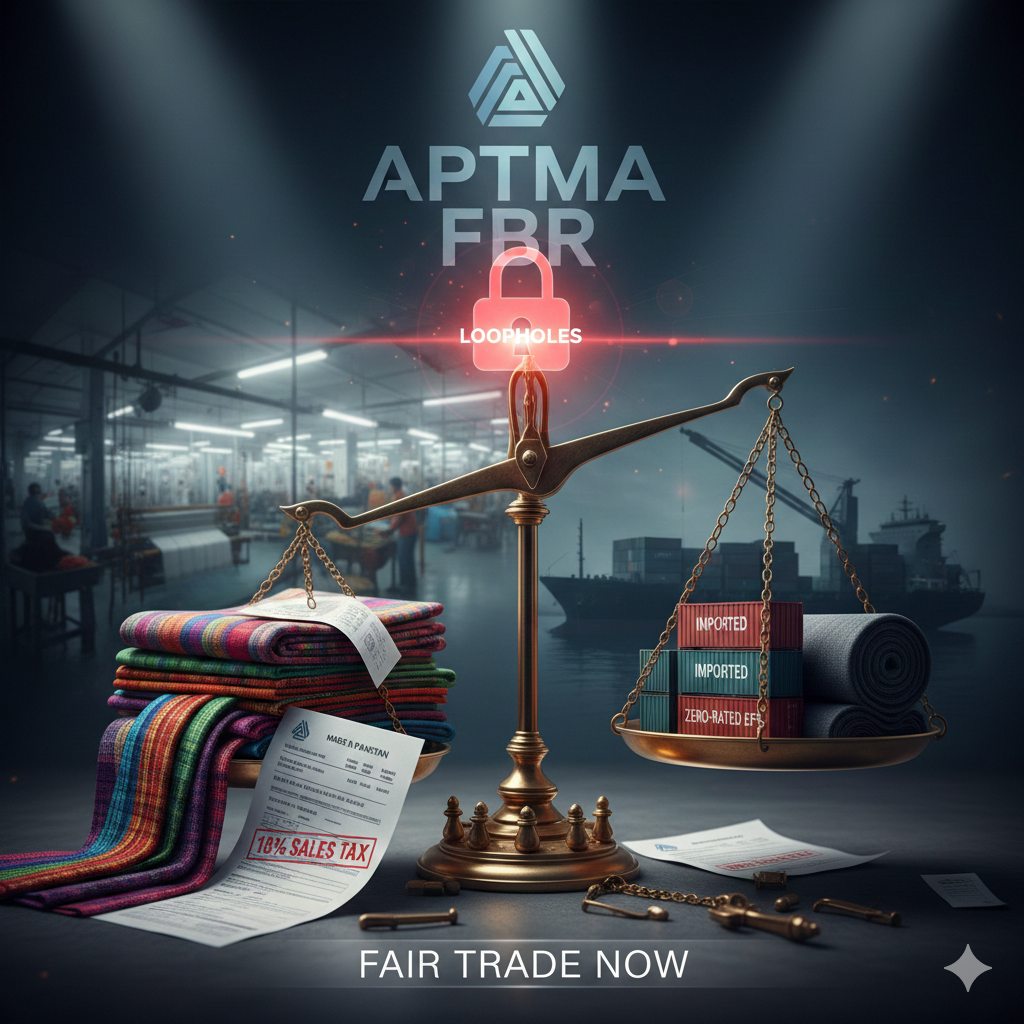
The core of the issue lies in how goods are described at the border. While the government officially restricted raw cotton and yarn imports under SRO 1435(I)/2025, some importers are bypassing this by using “creative” descriptions. By labeling woven fabric as “prepared for dyeing,” they manage to keep these imports zero-rated. This creates a massive price gap, as local manufacturers are still required to pay an 18% sales tax on the exact same materials, making domestic fabric unfairly expensive.
Economic Impact on Local Mills
This unfair competition is hitting the domestic spinning and weaving sectors hard. Since the 2024 budget removed tax protections for local suppliers, the misuse of the EFS has only grown. The domestic industry is facing a “double blow”:
- Market Saturation: Cheap, tax-free imports are replacing locally made cloth.
- Illegal Diversion: Materials meant strictly for export products are reportedly being leaked into the local market for profit.
- Industrial Decline: Local upstream units are struggling to stay operational as their order books shrink due to distorted market prices.
Failure of Enforcement
Despite APTMA flagging these concerns as early as December 2025, the association claims that no significant action has been taken. Importers have evolved their tactics, moving from simple yarn to semi-processed grey fabrics to stay under the radar. APTMA argues that if the FBR does not step in to enforce stricter checks, the “Export Facilitation” policy will continue to do more harm than good to the national economy.
The Road to Fair Trade
To fix the system, APTMA has proposed a total ban on including any woven cotton fabrics (under Chapter 52) within the EFS framework. They are pushing for a transparent, level playing field where local mills aren’t penalized for producing goods within the country. The association believes that only through strict physical audits and updated customs protocols can the government stop the revenue leakage and protect the livelihoods of thousands of textile workers.
Conclusion
For Pakistan’s textile industry to thrive, fair competition is non-negotiable. Closing these legal loopholes is not just about tax collection; it is about ensuring that the “Made in Pakistan” label can compete fairly. Without immediate intervention from the FBR, the backbone of the country’s exports remains at risk.