
For most of the global fashion industry, Pakistan has almost always existed behind the label.
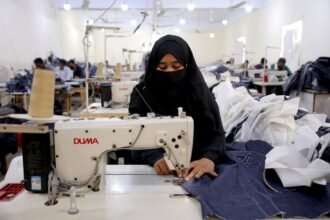
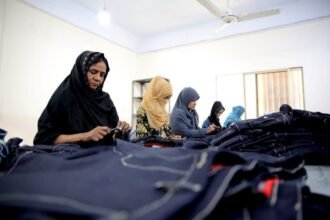
For decades, our factories produced garments designed elsewhere, executing collections for European and American brands, making their dreams come true. What Pakistan rarely did was speak in its own design voice.
But now, that is beginning to change.
A growing number of Pakistani brands are now entering international markets under their own names, raising an important question for global fashion. Can a country specifically known for its manufacturing portfolio translate its cultural identity into export-ready design without becoming folkloric?
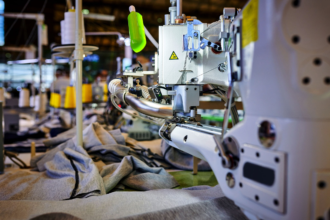
Pakistan’s fashion evolution differs from that of many emerging design markets. In fact it is literally being built in reverse. Rather than starting with small designer labels and building manufacturing later, Pakistan spent decades perfecting production by learning fit standards, compliance requirements, cost engineering and quality consistency for international clients.
This experience has birthed a new generation of brands that understand how garments behave not just on the runway, but on retail floors and in consumers’ wardrobes.
In Pakistan, where we have produced apparel for international buyers for years, this insight is a goldmine. Design that survives production pressure is the design that lasts. This manufacturing first foundation gives Pakistani brands a commercial literacy often missing in early stage global labels.
All this being said, there is one fear that is perpetually present. Will we lose our sense of design and direction while trying to be everything for everyone? Will we be too ethnic for the international markets or too Western and lose our cultural identity?
Several brands have challenged this assumption and are successfully making their mark in the global sphere.
Khaadi, one of Pakistan’s most recognized fashion exports, reinterpreted regional textiles and handloom aesthetics into contemporary, wearable silhouettes. Its success with diversified clientele and international consumers lies not in plain traditionalism, but in its ability to translate cultural references into modern fashions.
Similarly, Generation has built a design language rich in South Asian sensibilities while remaining contemporary, using familiar forms in unexpected, globally intelligible ways.
In couture and occasion wear, designers such as HSY and Sania Maskatiya have demonstrated how Eastern craftsmanship can coexist with Western tailoring. Structured jackets, gowns and separates incorporate South Asian detail without relying on excess ornamentation, making them legible to international fashion audiences.
What sets Pakistan’s globally oriented brands apart is not maximalism, but restraint. Brands like Sapphire and Ethnic have shown how design consistency, accessible pricing and scalable silhouettes can coexist with cultural distinction, a formula that resonates strongly in markets where fashion is a statement. This restraint reflects confidence rather than compromise and makes our brands truly unique in the highly competitive international fashion enivronment.
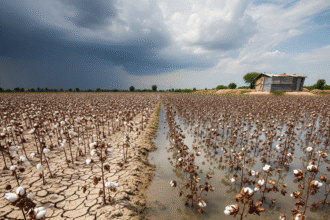
Designers who understand production models and constraints are less likely to over design. Instead, they focus on fabric behavior, proportion and wearability. Using cultural design assets for fabric sourcing, handwork and manufacturing talent, they’re now coming up with designs and products that are at par with any Western luxury brand.
Pakistan’s shift from execution to authorship is still in progress, but it is an industry already informed by experience rather than aspiration. Unlike markets where design emerges disconnected from production realities, Pakistani brands are shaped by an ecosystem where factories, merchandisers and designers operate in close proximity. This integration produces collections that are not only expressive, but exclusive, a quality global buyers value deeply.
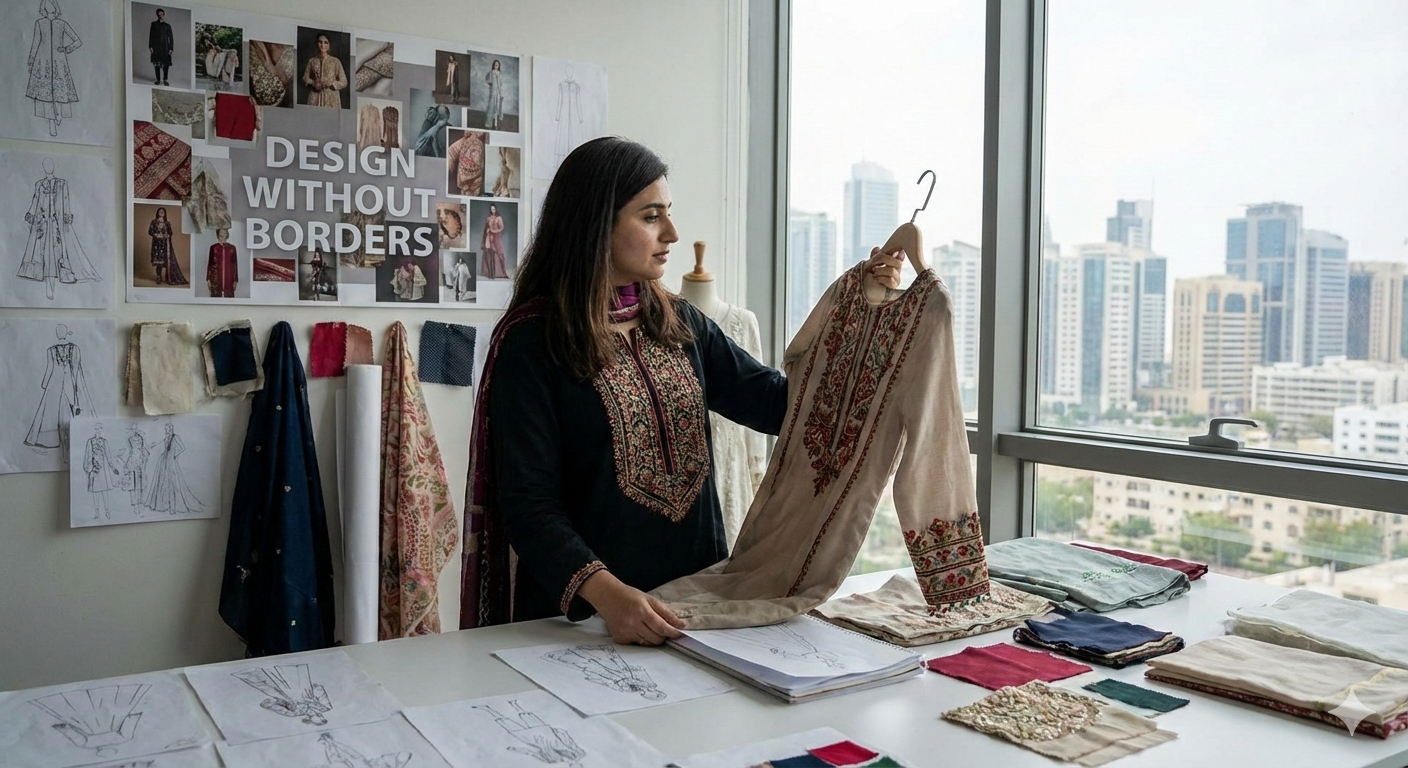
Design without borders, in this context, does not mean erasing identity. It means allowing identity to evolve without being confined to visual shorthand.
Pakistani fashion has entered into global markets purely through competence. After decades of manufacturing for the world, Pakistan is now beginning to speak in a design language shaped by lived production experience.
The result is fashion that travels the world. Modern, grounded and reminiscent of our culture.