
Pakistan’s Journey Towards Eco-Friendly Fashion
It has been revolutionary, this talk about sustainability and green fashion. A few years ago, it felt like a distant dream, but today, with the West increasingly asking for transparency in the supply chain, we can no longer turn away from it. Climate change, water scarcity and the effects of fast fashion are suddenly very real. And as an insider, I am witness to our textile industry quietly and subtly reimagining itself.
Long known for cotton and conventional mass production, the local garment and fabric sector is now embracing sustainable fibers, waste to textile innovations, circular economy practices and cleaner manufacturing. This is not just an industry shift, it’s a movement. It’s now a lifestyle.
Innovation at the Fiber Level: From Waste to Wearable
Spinnable banana fiber: a game changer
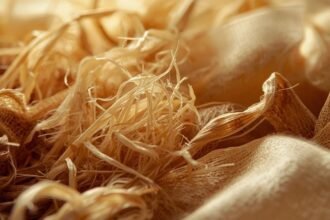
Researchers at the National Textile University (Faisalabad) have developed a patented process to convert banana plant waste, previously discarded, into spinnable banana fiber. This fiber is reportedly soft, fine and suitable for textile production.
This isn’t just an empty hypothesis. A global grant from Global Environment Facility, about US$ 3.73 million over six years, was approved in 2023 to transform banana value chain waste in Sindh into bio textiles. Companies like The Natural Fiber Company and Interloop are leading this effort and a lot of R&D has already been done.
Pineapple, banana and beyond: natural fibers as textile alternatives
Leading Pakistani textile house Sapphire Textile Mills is exploring fibers beyond cotton. Their R&D aims to develop sustainable fabrics using banana fiber and even pineapple fiber, signaling that alternative natural fibers are no longer a distant reality.
Bio‑engineered yarns from maize & agricultural waste
At the 2024 global textile fair Heimtextil, a milestone was announced. Feroze 1888 Mills Limited, in collaboration with a Danish material science company, unveiled prototype fabric made from maize (corn) waste blended with cotton. This bio‑yarn fabric is soft, skin friendly and low static compared to traditional polyester and aimed at towels and textiles for infants or sensitive skin.
Pakistan’s Regenerative Fiber Revolution
Beyond the current breakthroughs, fibers like hemp, lyocell and other regenerated cellulosics are no longer distant ambitions for Pakistan’s textile industry, they’re already woven into our industrial manufacturing.
Hemp has moved far beyond theory. Its low water demand, fast growth cycle and soil regenerating qualities make it one of the most environmentally intelligent fibers available. Pakistani universities such as NTU, NED, and UMT have been researching hemp-cotton blends, mechanical processing techniques, and trial spinning for years. Several mills are now experimenting with small batch yarns, proving that commercialization isn’t a question of if, but how fast we scale.
At the same time, Lyocell and Tencel type fibers are already part of Pakistan’s production ecosystem. These fibers are made from sustainably sourced wood pulp using closed loop processing where 99% of solvents are recovered
Multiple mills are spinning regenerated cellulosic fibers, testing them in denim, jersey and woven blends. These aren’t pilot dreams, they’re active developments happening on factory floors and in R&D labs today.
These developments truly reflect where the world and we, as Pakistan’s textile industry, are headed. They mark a profound shift in sustainable and green textiles. Fibers born from agriculture, waste or nature, not petroleum or heavy pesticide dependent crops are now becoming viable for large scale manufacturing in Pakistan.
Circularity, Recycling & Clean Processing. Building a Responsible Industry
Every year, 92 million tonnes of textile waste is produced globally. Production doubled from 2000 to 2015, while the duration of garment use decreased by 36 per cent. Eleven per cent of plastic waste comes from clothing and textiles, with only 8 per cent of textile fibers in 2023 made from recycled sources. In Pakistan, players are waking up to the scale of this challenge and opportunity. According to a 2024 report, textile millers are calling for broad cooperation on fiber recycling and renewable energy integration, aiming to both reduce environmental impact and unlock new economic value.
Some transformational businesses like Datini Fibres (via its Upcycling Farm project) are collecting post-consumer wool waste and upcycling it into high quality recycled fibers. Through this process, garments that would have ended up in landfill or burned are reborn as premium recycled yarn, a compelling model of waste to value.
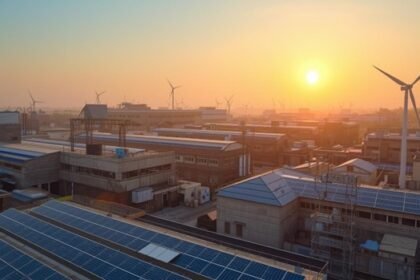
Then there is water pollution and massive water consumption in textile manufacturing. But where there is a challenge, there is a solution. Fibre52, partnering with iTextiles in Pakistan, is deploying Prepare for Dye (PFD) and chemical free dyeing chemistries certified under the global ZDHC Road to Zero Programme. This technology reportedly reduces water usage by up to 70%, energy use by 40%, and significantly cuts CO₂ emissions, all while preserving cotton’s softness and durability.
Such clean dyeing methods are game changing and they can make water intensive textile manufacturing environmentally viable again, especially crucial in a country where water scarcity looms large.
Beyond Manufacturing: Cultural & Social Impact, Circular Economy and Market Alignment
Sustainability in Pakistan isn’t only about technology, it’s also cultural. Small scale artisans are turning textile scraps into meaningful traditional creations. For instance, in rural Sindh, women are weaving cotton scraps into Rilli patchwork quilts and they’ve been doing this for generations!
Brands like Dhundli Zameen, a project of Earthy Murkey are leading a zero waste fashion movement, turning discarded fabrics and leather into handcrafted handbags or slow fashion pret clothing
This blend of modern eco textiles and traditional craftsmanship offers a powerful narrative, one that global buyers increasingly look for.
With rising regulations and unprecedented access to information, international fashion is no longer just about style. It’s about sustainability, transparency and ethical sourcing. By adopting recycled fibers, waste to textile innovations, clean processing and circular practices, Pakistani manufacturers have a unique edge in the global supply chain, catering to conscious brands and consumers.
What this means for us as people of textiles in Pakistan? These developments offer both opportunity and responsibility. Opportunity to source truly sustainable materials, use sustainability not just as a feature, but as a story, become adopters of sustainable fiber and clean processing and build a legacy by embracing circularity and waste to value, helping reduce pollution, creating demand for agricultural waste, supporting rural economies and building an industry that’s kinder to the people and the planet.
If Pakistan continues on this trajectory, merging innovation with heritage and ethics with scale, it could emerge as South Asia’s most trusted hub for sustainable fashion by 2030.
And for each of us in the industry, this isn’t just business. It’s legacy.