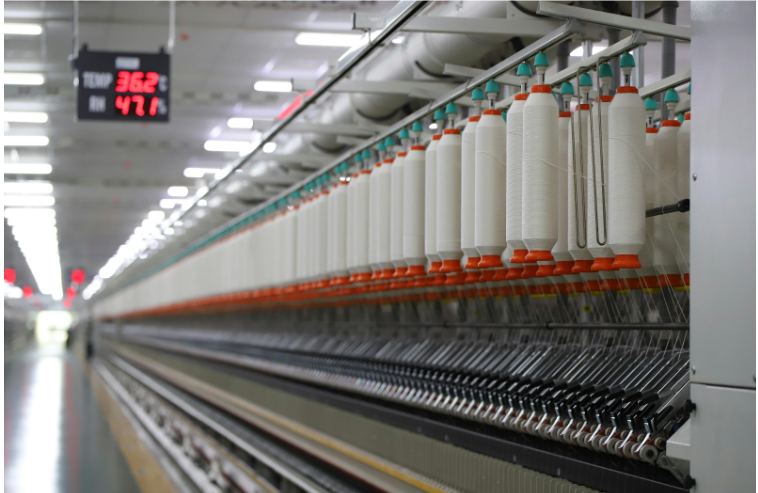

For decades, Pakistan’s textile mills were known for one thing: volume. Churning out endless rolls of greige fabric for global buyers, the industry built its strength on scale and affordability. But in a changing world where authenticity, traceability, and craftsmanship matter as much as cost, the narrative is shifting.
A quiet transformation is underway, one where Pakistani fabric manufacturers are no longer just suppliers, but storytellers. From Faisalabad’s industrial corridors to Karachi’s design studios, a new generation of mills is weaving identity back into the loom.
The legacy of the loom
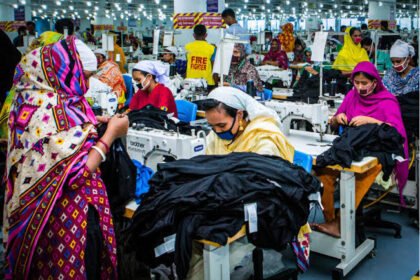
Fabric manufacturing in Pakistan has always been the spine of its textile economy. With over 400 operational mills, the country has supplied everything from denim to home textiles to global brands. Yet for too long, the sector operated behind the scenes, a production powerhouse without a face.
Today that anonymity no longer works. International buyers demand transparency: Where is this fabric made? How sustainable are the dyes? Who spins the yarn? These questions have turned supply chains into storytelling chains.
We’re not just weaving fabric anymore,” says Saad Tariq, Director at a mid-sized Faisalabad mill. “We’re weaving trust.
What once was a commodity business is slowly becoming a craft. Pakistani mills are investing in innovation,digital weaving systems, organic dyes, and traceable fiber sourcing to produce textiles that stand out for quality and conscience.
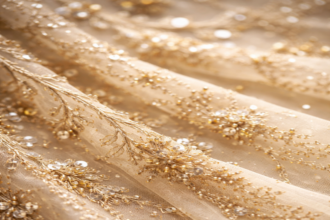
Luxury linen and high-thread cottons are being branded under mill-owned labels. Some have partnered with local designers to launch limited collections, using heritage-inspired patterns and indigenous weaves like khaddar and jamdani.
These fabrics are not just yardage; they’re a statement of origin. And as global consumers grow weary of mass-market sameness, “Made in Pakistan” is finding its own design voice.
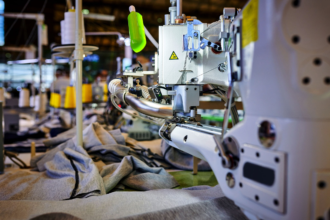
Digitization is reshaping how fabrics are made, but the soul of the process remains tactile. Smart looms and ERP-integrated dyeing systems now coexist with hand-finish artisans who inspect every meter of cloth by touch.
The best mills are blending efficiency with artistry, pairing AI-driven production tracking with human craftsmanship. This duality gives Pakistan a unique edge: a textile sector large enough to scale, yet intimate enough to preserve the craft.
Sustainability is the new luxury
Environmental compliance is no longer optional. Mills exporting to Europe face stricter checks under the EU Green Deal and Extended Producer Responsibility (EPR) policies. Wastewater treatment plants, zero-liquid discharge systems, and energy-efficient boilers are now standard across top-tier facilities.
Some pioneering mills are going beyond compliance, using natural indigo dyes, solar-powered looms, and organic cotton blends to appeal to eco-conscious buyers. Sustainability is not just a cost center anymore; it’s a market advantage.
“The real luxury today,” says textile consultant Rida Hussain, “is clean production and transparent sourcing. That’s what buyers pay a premium for.”
As Pakistan competes with Bangladesh, India, and Vietnam, differentiation will not come from price,it will come from perception. The industry’s future depends on whether it can rebrand itself from a low-cost producer to a heritage innovator.
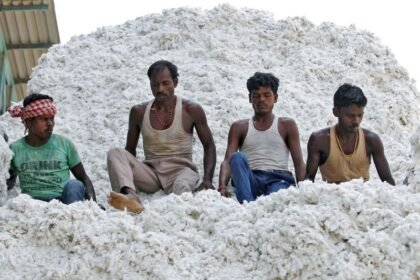
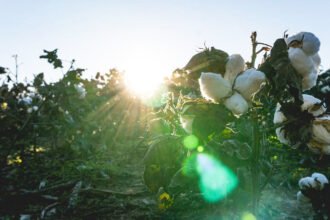
This means telling the stories behind every roll of fabric,the farmer who grew the cotton, the mill that spun it, the designer who transformed it. Every thread becomes a voice in Pakistan’s larger textile narrative.
Pakistan’s fabric industry stands at a turning point. The looms still hum, but what they produce today carries deeper meaning, texture, traceability, and a touch of identity.
If the country’s mills continue this path of reinvention, the label “Made in Pakistan” will no longer be seen as a tag of volume, but a mark of value, a fabric woven with both purpose and pride.
Pull Quote:
“Every meter of fabric now carries a story — of soil, skill, and sustainability.”